The Complete Guide to Massage in Chiang Mai
Chiang Mai is the outlier among Thailand's major massage cities. Where Bangkok, Pattaya, and Phuket are defined by scale, tourist infrastructure, and nightlife, Chiang Mai operates at a quieter frequency. The scene here is the smallest of the four cities, more discreet, less openly marketed, and genuinely different in character. It is also, arguably, the most pleasant city in Thailand for the overall experience — thanks to cooler weather, lower costs, and a pace of life that never feels rushed.
Chiang Mai is historically Thailand's capital of traditional Thai massage. The techniques taught at temples like Wat Phra Singh have influenced massage schools across the country, and the city remains a destination for people seeking authentic traditional bodywork. This heritage gives Chiang Mai's massage scene a legitimacy and depth that the more entertainment-focused scenes in Pattaya and Phuket do not have.
That said, Chiang Mai's more modern massage offerings — the soapy, oil, and nuru segments — do exist. They are just smaller, more discreet, and require a bit more local knowledge to navigate than in the southern cities. Our guide to erotic massage in Chiang Mai covers that side of the scene by area and price.
Best Areas for Massage in Chiang Mai
Chiang Mai's massage scene is concentrated in three areas, all within a relatively compact footprint. The city is easy to navigate compared to Bangkok, and everything listed below is within a 15-minute drive of everything else.
The Old City
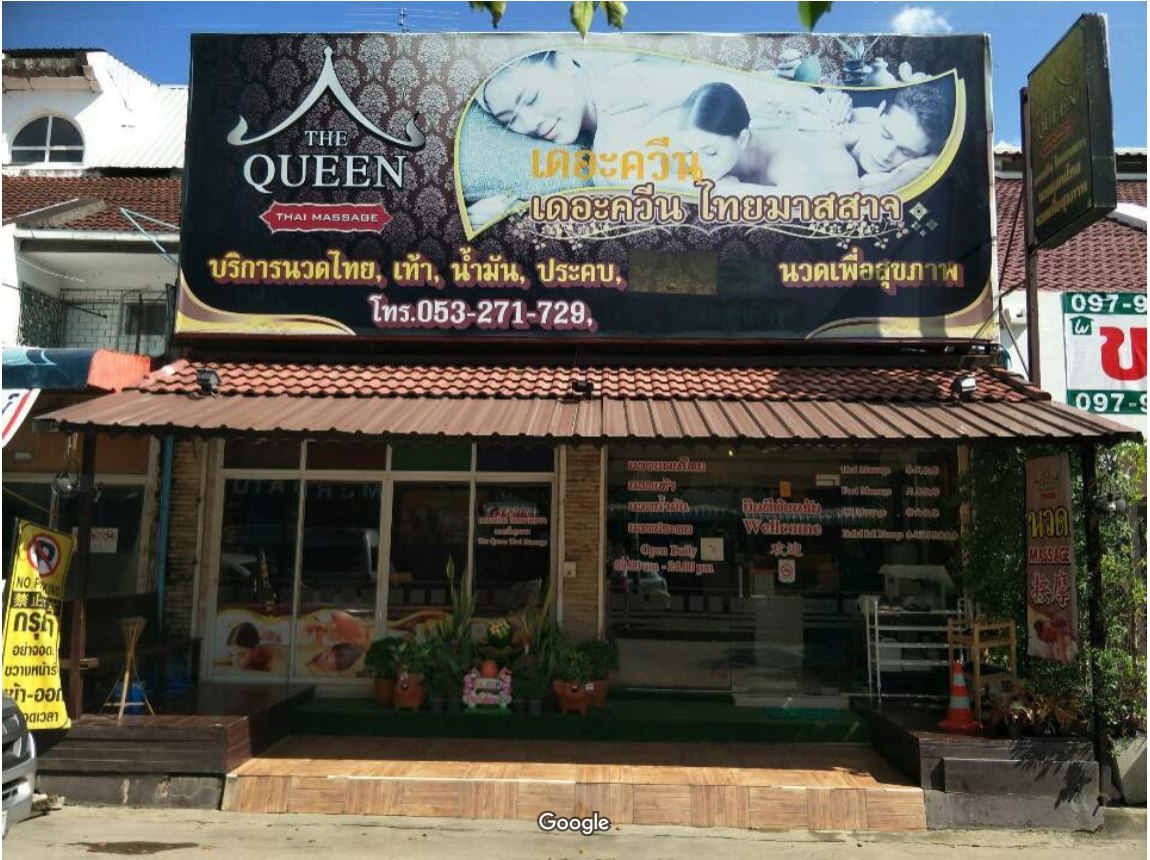
The square-moated historical center of Chiang Mai is where you will find the strongest concentration of traditional Thai massage. The area around Wat Phra Singh and Tha Phae Gate has numerous traditional massage schools and parlors, many of them connected to or inspired by the temple massage tradition. Prices here are the lowest in the city, and the emphasis is firmly on traditional technique rather than modern spa services.
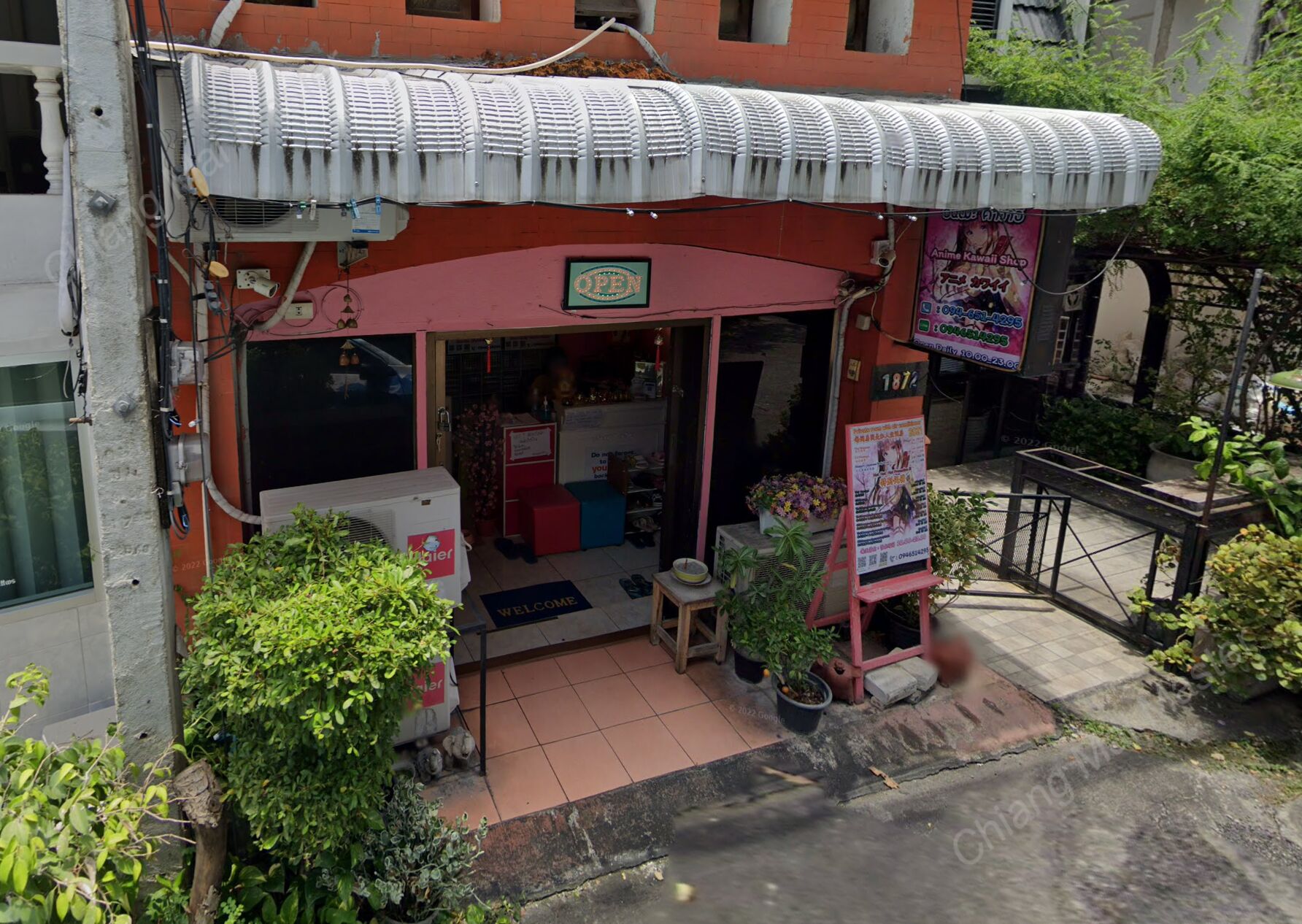
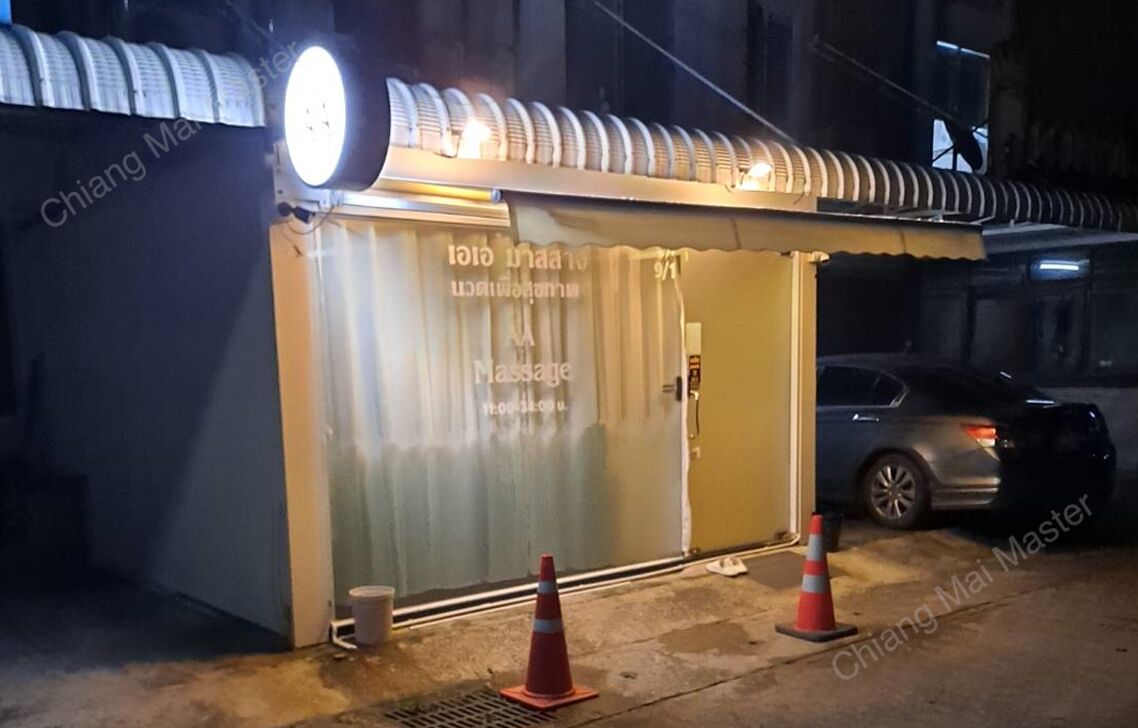
Beyond traditional massage, the Old City has a smattering of more modern massage venues, generally small and low-key. These are not advertised with neon signs — you find them through listings on Thai Nuru or word of mouth. The Old City is walkable, which makes it convenient if you are staying in the many guesthouses and boutique hotels within the moat.
Nimman (Nimmanhaemin Road)
Nimman is Chiang Mai's trendy district — coffee shops, boutiques, art galleries, and the university crowd. The massage options here lean toward the spa end of the spectrum: upscale oil massage, aromatherapy, and wellness-oriented services in polished venues. This is the area where you will find the highest concentration of foreigner-friendly massage businesses with English-speaking staff and international-standard facilities.
For nuru or soapy massage, Nimman is not the primary area, but a few venues exist within or near the district. Nimman is best understood as the comfortable, accessible starting point for visitors who want quality massage without venturing into more local neighborhoods.
Night Bazaar Area
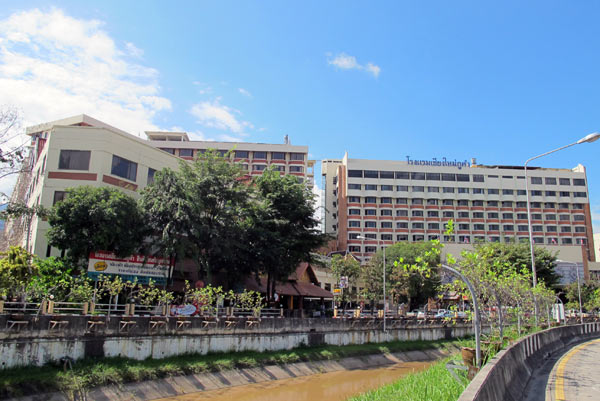
The Night Bazaar on Chang Klan Road and its surrounding streets form Chiang Mai's most tourism-oriented district. This is where you will find the most variety in a single area — traditional massage alongside more modern options, with prices sitting between the Old City's budget rates and Nimman's spa premiums.
The Night Bazaar area is also where Chiang Mai's small but present nightlife scene is concentrated. Loi Kroh Road, running off Chang Klan, has bars and entertainment venues, some of which offer massage services. This is probably the closest Chiang Mai gets to the Pattaya or Bangkok model, but on a much smaller and more restrained scale.
Outer Ring Road and Suburbs
A handful of venues have appeared along the highways and outer roads of Chiang Mai, typically catering to local Thai customers. These are sparse compared to Bangkok's suburban sprawl, but they exist and offer the city's lowest prices for non-traditional massage services. You will need a car or Grab to reach them, and English is rarely spoken.
Chiang Mai Massage Prices Compared
Chiang Mai is the most affordable of Thailand's four major massage cities, with prices running 15–30% below Bangkok across most categories.
- Traditional Thai massage: 200–350 THB for two hours
- Oil massage (mid-range parlor): 500–1,000 THB
- Soapy massage (standard): 1,200–2,000 THB
- Nuru massage (standard): 1,500–2,500 THB
- Spa packages (Nimman area): 1,500–4,000 THB
The most dramatic savings are in traditional massage, where Chiang Mai's temple-connected parlors offer genuinely excellent two-hour sessions for 200–250 baht — a price that has become rare even in Bangkok's outer suburbs. For modern massage services (soapy, nuru), the savings are more modest but still real.
Chiang Mai does not have the ultra-premium tier that exists in Bangkok. You will not find 5,000+ baht nuru sessions or model-class soapy venues here. The ceiling is lower, but the floor is also lower, and the average experience per baht spent is arguably the best in Thailand.
Unlike Phuket, Chiang Mai does not have dramatic seasonal price swings. Prices are fairly consistent year-round, with slight increases during the Songkran festival period (mid-April) and the Yi Peng lantern festival (November).
Getting Around Chiang Mai
Chiang Mai is a small city by Thai standards, and getting around is simpler and cheaper than Bangkok, Pattaya, or Phuket.
- Songthaew (red trucks): The iconic red converted pickup trucks are Chiang Mai's informal bus system. They run along loose routes around the Old City and main roads. Flag one down, tell the driver where you want to go, and pay 30–40 baht per person. For destinations off their usual route, negotiate a flat rate — usually 60–100 baht.
- Grab taxi: Works well in Chiang Mai and is the easiest option for going between specific venues. Fares within the city rarely exceed 100 baht. Grab is especially useful for reaching venues on the outer roads or in less central locations.
- Rented motorbike: 150–250 baht per day — cheaper than anywhere else in Thailand. Chiang Mai's traffic is far less intense than Bangkok or even Pattaya, making this a more reasonable option for riders with some experience. The city is relatively flat within the central area, though trips to Doi Suthep and the western hills involve steep roads.
- Bicycle: The Old City is flat and compact enough to cycle. Several guesthouses and rental shops offer bikes for 50–100 baht per day. This only works for the Old City and immediate surroundings — Nimman and the Night Bazaar are bikeable but pushing the boundary of comfortable cycling distance.
- Walking: If you are staying in the Old City, you can walk to many traditional massage venues without any transport at all. The moated area is roughly 1.5 by 1.5 kilometers — a manageable walk in any direction.
Getting to Chiang Mai from Bangkok is easy: flights take about 75 minutes and budget airlines (AirAsia, Nok Air, Lion Air) offer fares as low as 1,000–2,000 baht if booked in advance. The overnight train is a classic experience (about 13 hours, sleeper berths from 800 baht), and buses run multiple times daily (10–11 hours, 500–700 baht).
Best Times to Visit Massage Venues in Chiang Mai
Chiang Mai's massage venues operate on an earlier schedule than Bangkok or Pattaya, reflecting the city's more relaxed lifestyle.
- Late morning (10 AM–12 PM): A surprisingly good time in Chiang Mai. The city wakes up early compared to Pattaya, and many venues are fully staffed and quiet during this window. Particularly good for traditional massage at Old City parlors.
- Afternoon (1–5 PM): Excellent availability across all venue types. This is Chiang Mai's sweet spot — warm enough outside that the air-conditioned massage room feels like a welcome escape, and quiet enough that you will get full attention.
- Evening (6–9 PM): The busiest period, especially around the Night Bazaar area. Venues are at their most populated, but "busy" in Chiang Mai means "a few other customers," not the queues you might experience in Bangkok or Patong.
- Late night (after 10 PM): Options narrow significantly. Chiang Mai is not a late-night city. Most venues close by 11 PM, and very few stay open past midnight. If you want late-night massage, this is the wrong city.
One of Chiang Mai's underrated advantages is its weather. The cooler northern climate — particularly from November through February when evening temperatures can drop below 20 degrees Celsius — makes massage more comfortable than in the sticky heat of Bangkok or Phuket. There is no better feeling than stepping out of a warm massage room into Chiang Mai's cool evening air.
Safety Tips for Massage in Chiang Mai
Chiang Mai is widely considered the safest major city in Thailand for visitors, and the massage scene is no exception. The risks here are lower than anywhere else on this list, but a few notes are still worth sharing.
- The scene is more discreet. Chiang Mai's non-traditional massage venues do not advertise as openly as those in Pattaya or even Bangkok. This discretion is by design and should be respected. Do not expect Bangla Road-style neon here — use Thai Nuru to find what you are looking for.
- Verify venue legitimacy. Because the scene is smaller and more discreet, there are fewer venues and less public review data compared to Bangkok. Check Thai Nuru listings and look for recent reviews before visiting an unfamiliar venue.
- The burning season. From late February through April, agricultural burning in northern Thailand creates severe air quality issues. If you have respiratory sensitivity, this can make the trip unpleasant regardless of massage plans. Check air quality indexes before booking travel during these months.
- Standard precautions apply. Use lockers where provided, confirm prices before your session, and avoid following strangers to unknown venues. These are universal rules, not Chiang Mai-specific, but they are worth restating.
- Respect the local culture. Chiang Mai is more conservative than Bangkok or Pattaya. The city has a strong traditional and religious identity, and openly discussing or seeking massage services in inappropriate contexts (near temples, in family-oriented areas) is poor form. Keep it discreet, as the locals do.
What Makes Chiang Mai Unique for Massage
Chiang Mai's distinctiveness comes from three things that no other Thai city matches.
The traditional massage heritage is real and deep. This is not marketing — Chiang Mai is genuinely one of the birthplaces of northern-style Thai massage, with techniques and teaching lineages that trace back centuries through the temple system. If you care about authentic traditional Thai massage performed by practitioners who trained in a legitimate tradition, Chiang Mai is the place to experience it. A two-hour session at a respected Old City parlor, performed by someone who learned their craft at Wat Phra Singh, is a qualitatively different experience from a tourist-oriented quick massage on Pattaya's Walking Street.
The value proposition is exceptional. Chiang Mai is not just cheaper — it is cheaper while also being a genuinely beautiful, livable, enjoyable city. Your massage budget goes further here than anywhere else in Thailand, and the savings extend to accommodation, food, and transport. A week in Chiang Mai with daily massage visits will cost less than four or five days of the same routine in Phuket.
The atmosphere is unlike any other Thai massage city. Chiang Mai feels like a small town despite being Thailand's second-largest metro area. The pace is slower, the people are friendlier, the streets are quieter, and the cool-season weather is genuinely pleasant. Getting a massage in Chiang Mai feels like part of a relaxed, healthy lifestyle rather than a transaction in a tourist entertainment zone.
The limitations are real, though. If you want a large selection of modern massage venues (soapy, nuru, premium services), Chiang Mai will disappoint compared to Bangkok or even Pattaya. The scene is growing but remains a fraction of the size. The early closing times mean no late-night options. And the discretion that makes the scene feel refined also makes it harder to navigate for newcomers. Chiang Mai is the right choice for visitors who prioritize quality traditional massage, value for money, and overall atmosphere over variety and nightlife.
Frequently Asked Questions About Massage in Chiang Mai
Is Chiang Mai worth visiting specifically for massage, or is it better as part of a longer Thailand trip?
If your primary interest is traditional Thai massage, Chiang Mai is absolutely worth a dedicated visit — it is the best city in Thailand for that specific experience. If you are mainly interested in soapy, nuru, or modern massage services, Chiang Mai works better as a side trip from Bangkok rather than a standalone destination. Many visitors combine three or four days in Chiang Mai with a week in Bangkok to get the best of both worlds.
How does the massage scene compare to Bangkok in terms of size?
Much smaller — roughly one-tenth the number of modern massage venues, if that. For traditional Thai massage, the gap narrows because Chiang Mai punches above its weight with quality temple-connected parlors. But for soapy and nuru specifically, Bangkok has a selection that Chiang Mai cannot approach. Think of Chiang Mai as a curated boutique versus Bangkok's department store.
When is the best time of year to visit Chiang Mai?
November through early February is ideal — cool weather (15–25 degrees Celsius), clear skies, and festival season. Avoid late February through April if you are sensitive to air quality, as the burning season creates heavy smog. The rainy season (June through October) is fine for massage visits — afternoon showers are brief — and offers the lowest tourist numbers and best hotel deals.
Do I need to speak Thai to visit massage venues in Chiang Mai?
For Nimman and Night Bazaar area venues, English is generally sufficient. For Old City traditional massage parlors, basic English is understood for simple transactions. For any venues outside the main tourist areas, Thai language skills or a translation app become genuinely useful. Chiang Mai is more English-friendly than Bangkok's suburbs but less so than Pattaya.